Thursday, July 27, 2023

 REASON BEHIND RE-BRANDING


  • In recent months, many brands like Pepsi, Fanta, Yes Bank, Nippo, LG and Twitter have changed their logo to refresh their identity and adapting to stay in modern marketing environment.

  • Re-branding is a marketing tactic that involves changing an existing brand's name , concept or design.

  • The goal of a makeover is to make the brand appear so young and vibrant that it transforms its reputation and helps it to win back investor's and the target market's trust and attention.
  • Generally companies go for change in their logo for:
  1. Company Merger
  2. When the old logo looks outdated
  3. Change in the company's priorities and values
  4. To make it more recognizable

Tuesday, July 18, 2023

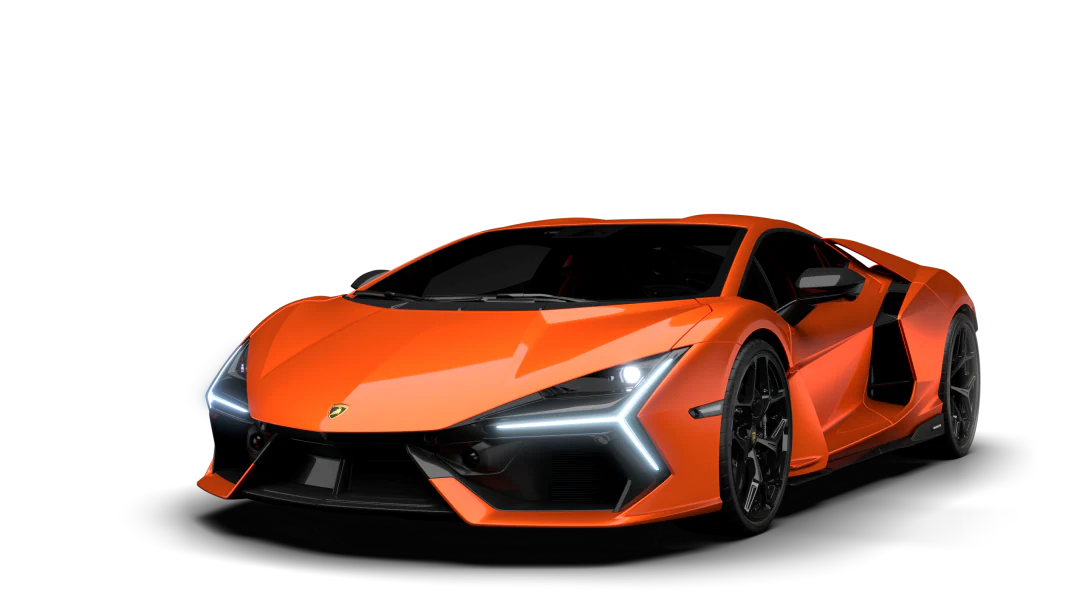
 INDIAN AUTOMOBILE INDUSTRY - 

                                                   The Graveyard of Global Automobile Companies


  • The Global ranking of Indian car market was 5th in 2020. As per the reports, China emerged as the biggest car maker while India secured the 5th spot with a production capacity of one car per 8.6 minutes.
  • Despite being a big market, India has not been able to retain the top giants from US. In 2017, General Motors exited from the Indian car market. In 2020, Harley Davidson stopped manufacturing vehicles in India.
  • Now US  automobile giant Ford, which has a share of less than 2% in the Indian market has announced its plan of stopping the manufacturing of cars in India.
  • WHY?
  • " We haven't been able to find a sustainable path forward to long term profitability" - Anurag Mehrotra (Ford  India President & MD). Ford has accumulated losses worth over 2 billion dollars in the past decade. Hence it has decided to quit the Indian market


  • Ford will be shutting down its factories in Gujarat & TamilNadu.This decision won't make a big difference since Ford has a very less market share.
  • However the decision will affect around, 4000 employees
  • Reasons for India becoming a graveyard for top car makers:
  1. Price - Indian consumers prefer low priced cars.
  2. Size - Higher inclination towards compact entry level models.
  3. Cost Low cost cars happen to be the first choice of many Indian.
These are the likely reasons behind why US car giants have been unable to make  a mark in the Indian Market

  • Indian market is ruled by compact, low cost, affordable car models. This is why Maruti Suzuki and Hyundai Motors continue being the first choice of many Indians willing to buy a car.
  • Maruti Suzuki dominates the Indian passenger car market with a share of around 48%     -   Hyundai market share: 15.84%   -   Tata Market share: 9.43%

  • However with an increase in the income, people are now willing to spend more on owning bigger and more advanced cars.

Tuesday, May 23, 2023

 Journey of one of India's best Logistics startup - Delhivery


  • Delhivery is logistic startup which has a pan - India network and provides services in over 17000 pincodes.
  • Nearly a decade ago, when co - founders Sahil Barua and Suraj Saharan ordered food once late at night, they had a conversation with the delivery boy.
  • The conversation ended up with the two of them visiting the restaurant and hiring all its staff since the restaurant was shutting down.
  • They hired the staff all of a sudden, as the two were aware of the problem of 'One-Hour Delivery' delivery faced by restaurants and knew that there was a need for a good delivery network.
  • So they grabbed the opportunity, quit their corporate jobs at Bain & Co. and gradually became successful in doing restaurant deliveries within 30 minutes.
  •  The investors contribution - Delhivery was doing great with restaurant deliveries when one of its investors encouraged it to venture into e - commerce sector and start delivering packages as well. Hence they made the shift from hyper-local to e-commerce segment.
  • Delhivery works 24x7, all days of the year with the help of its team over 66,000 people.
  • It started off as a B2B service provider offering transportation, warehousing and commerce services. It follows a distribution model under which all branches of the company operates as hubs, thus, ensuring smooth distribution.
  • Recently, Delhivery launched its C2C express parcel service to provide safe and reliable doorstep pickup facility to people.
  • This marks as innovative move by the startup which is driven by the motto of " Changing the world, one shipment at a time"
  • Delhivery has been making losses but has seen exceptional growth despite having strong competitors like BlackBuck, BlueDart etc.
  • The Gurgram based startup is eyeing an IPO worth 7,460  crore at a valuation of $6-6.5 billion. The IPO proceeds will largely be used for organic and inorganic growth of the startup.  


Wednesday, May 17, 2023


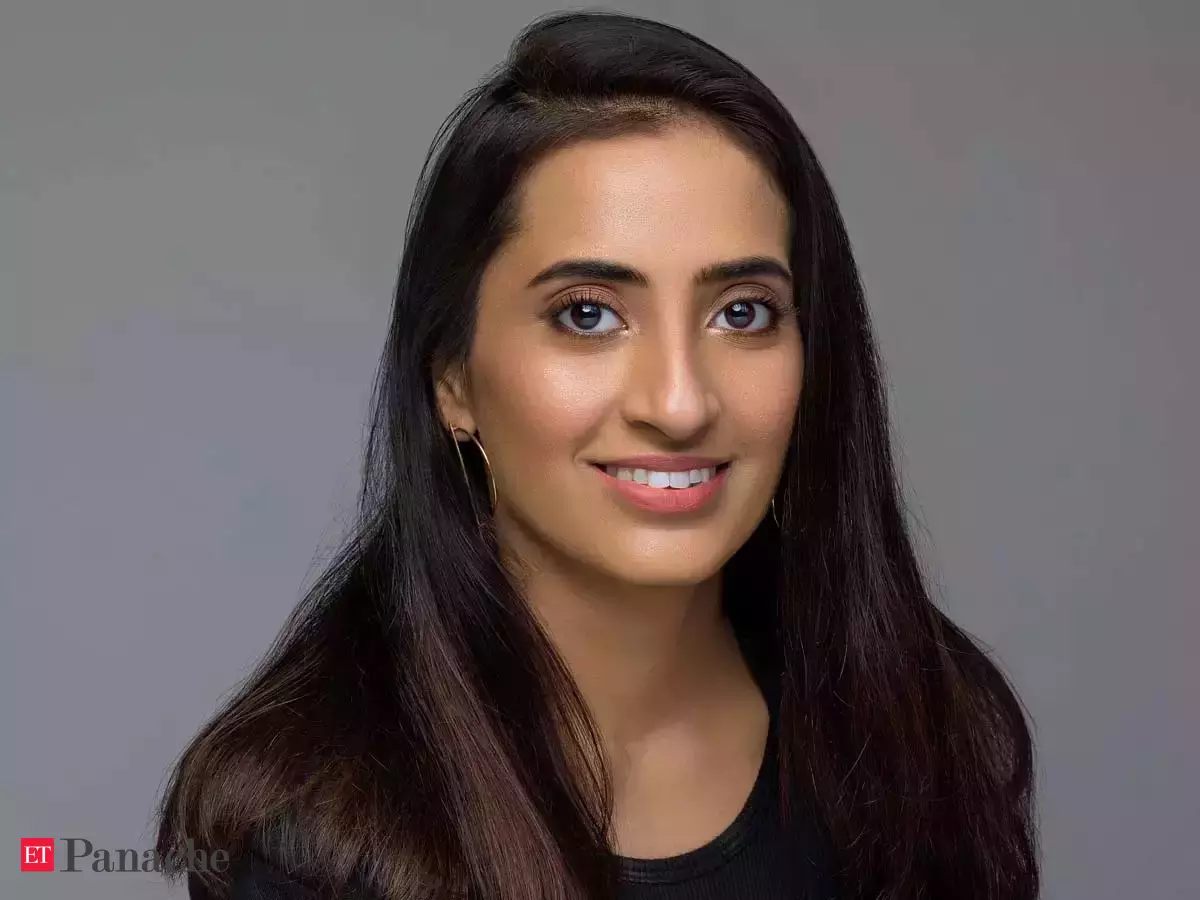
6 Indian Mompreneurs who built successful Startups

A mompreneur is a female business owner who actively balances the roles of mother and of entrepreneur. The term was introduced in about 1994. 

1.  Vineeta Singh - Sugar Cosmetics


2. Divya Gokulnath - Byju's


3. Upasana Taku - MobiKwik


4. Falguni Nayar - Nykaa


5. Ghazal Alagh - MamaEarth

6. Meena Bindra - Biba Apparels


Saturday, May 6, 2023

 GREAT MARKETING TEAMS SELLS EMOTIONS NOT PRODUCTS


  • Rolex sells status, not watches.


  • Supreme sells scarcity, not clothing


  • Harley- Davidson sells a lifestyle, not bikes.


  • Apple sells simplicity and style, not electronics.


Thursday, May 4, 2023

 HOW COCA- COLA LOST INDIA AND WON BACK!

  • Coca- Cola entered the Indian markets right after its Independence in 1947. This was a great opportunity grabbed by Coca-Cola
  • At that time, Indian Government was determined to promote home - grown brands as Indian markets were not really prepared to compete in International markets.
  • However, Coca-Cola managed to establish in India before the government took any action.
  • Coca -Cola's timing was perfect. While India was recovering from the past conflicts, Coca-Cola was busy setting up its distribution network in India.
  •  Few years later, Pepsi was denied entry into the Indian markets whereas Coca-Cola had already captured one of the world's biggest markets: India
  • Soon, times changed, Indian government was being protective as Coca-Cola became more accessible in India than water.
  • Only 10% of Indian villages had safe drinking water. However, 90% had access to Coca-Cola. This was a bad statistics for a protective government.


  • In mid 1970's Coca- Cola faced a crisis in the form of a law that did not allow foreign companies to have more than 40% holding of any business in India. This posed a huge threat to Coca- Cola
  • Coca-Cola was not ready to give up its ownership. Also, it would mean sharing their secret recipe of the fizzy drink to Indians and producing the drink in India itself. Thus, Coca-Cola ultimately left India in the year 1977, alike many other foreign companies
  • This created a pool of opportunities for local businesses that came up substitute soda drinks. The government too stepped into fund these businesses. However, when Indian government took up Liberalization, Coca-Cola made a comeback.


  • In 1993, Coca Cola entered India and acquired the top firms of the Industry that had emerged in its absence. With this, Coca-Cola had a 50% market share in its very first days in India in the second innings.
  • This is how Coca-Cola managed to overcome the political obstacles wisely. It dominates Indian markets with Pepsi as a strong competitor.

  •  

Sunday, March 12, 2023

 From Vegetable Oil to IT giant of India --- WIPRO


  • Azim Premji's father had started a vegetable oil company named "Western India Vegetable Products Limited" in 1947. When he died in 1966, Azim Premji took over the business at the young age of 21.
  • The company was renamed as "WIPRO". In 1981, WIPRO emerged as a computer seller and rightly took advantage of the market that had been left unserved due to the void that was created when IBM  left India.
  • In 1984, WIPRO entered the software market. Its first product included: a spread sheet and word processing package. Over the years, WIPRO kept developing and growing, hence becoming what it is today.
  • Present it is working in 100+ countries with market cap over   ₹360000 crore. It is the India's 3rd largest IT company with 200000+ employees.

                           How is Decathlon winning over the Indian Market?   Decathlon entered India in 2009. Despite its late entry, tod...